 |
 |

Environmental Management
Hazardous Waste Operations and Emergency Response - HAZWOPER |
|
 |
This comprehensive course provides essential knowledge on Hazardous Waste Operations and Emergency Response (HAZWOPER) to ensure safety and compliance in hazardous environments. It covers the fundamentals of HAZWOPER regulations, emphasizing the importance of adhering to standards and guidelines set by OSHA and other regulatory agencies. The course delves into personal protective equipment (PPE) usage, highlighting the critical role that individuals play in preventing exposure to hazardous substances. Topics include proper selection, usage, and maintenance of PPE, as well as decontamination procedures. In addition, the course explores hazard recognition and risk assessment techniques to identify and mitigate potential dangers in the workplace. Learners will gain insight into safe work practices, emergency response planning, and incident management strategies. To further reinforce HAZWOPER principles, the course discusses strategies for handling hazardous materials, including proper storage, transportation, and disposal methods. It also emphasizes the importance of maintaining a safe work environment through regular training and adherence to safety protocols. |
Spill Prevention, Control, and Countermeasure - SPCC |
|
 |
This detailed course offers vital insights into Spill Prevention, Control, and Countermeasure (SPCC) regulations. It focuses on the core aspects of SPCC plans, highlighting the significance of preventing oil spills and safeguarding the environment from pollution. The course delves into key SPCC components, including: - Identifying potential spill sources - Implementing spill prevention measures - Developing and maintaining SPCC plans Participants will gain insight into proper storage and handling of oil and petroleum products, as well as techniques for spill containment and cleanup. The course also highlights the critical role of regular inspections and maintenance in ensuring compliance with SPCC regulations. Upon completing this course, participants will gain a comprehensive understanding of SPCC regulations and effective strategies, empowering them to manage spill risks efficiently and support environmental conservation efforts. |
Solid Waste Management |
|
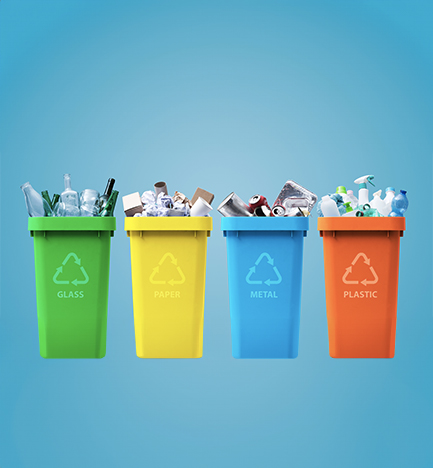 |
This in-depth course offers valuable knowledge on Solid Waste Management, highlighting eco-friendly practices and the significance of protecting the environment. It underscores the necessity of following waste management laws and adhering to the protocols and benchmarks established by governing authorities. The course explores waste segregation methods, emphasizing the vital role of individuals and organizations in minimizing environmental harm. Key topics include: - Effective waste classification and segregation - Recycling and composting techniques - Safe handling and disposal of hazardous waste In addition, the course explores strategies for minimizing waste generation and promoting resource efficiency. Learners will gain insight into: - Implementing waste reduction programs - Managing landfill operations - Utilizing innovative waste treatment technologies By the end of this course, participants will have gained a thorough understanding of the principles and practices necessary to manage solid waste effectively, contributing to a cleaner and healthier environment. |
Recycling |
|
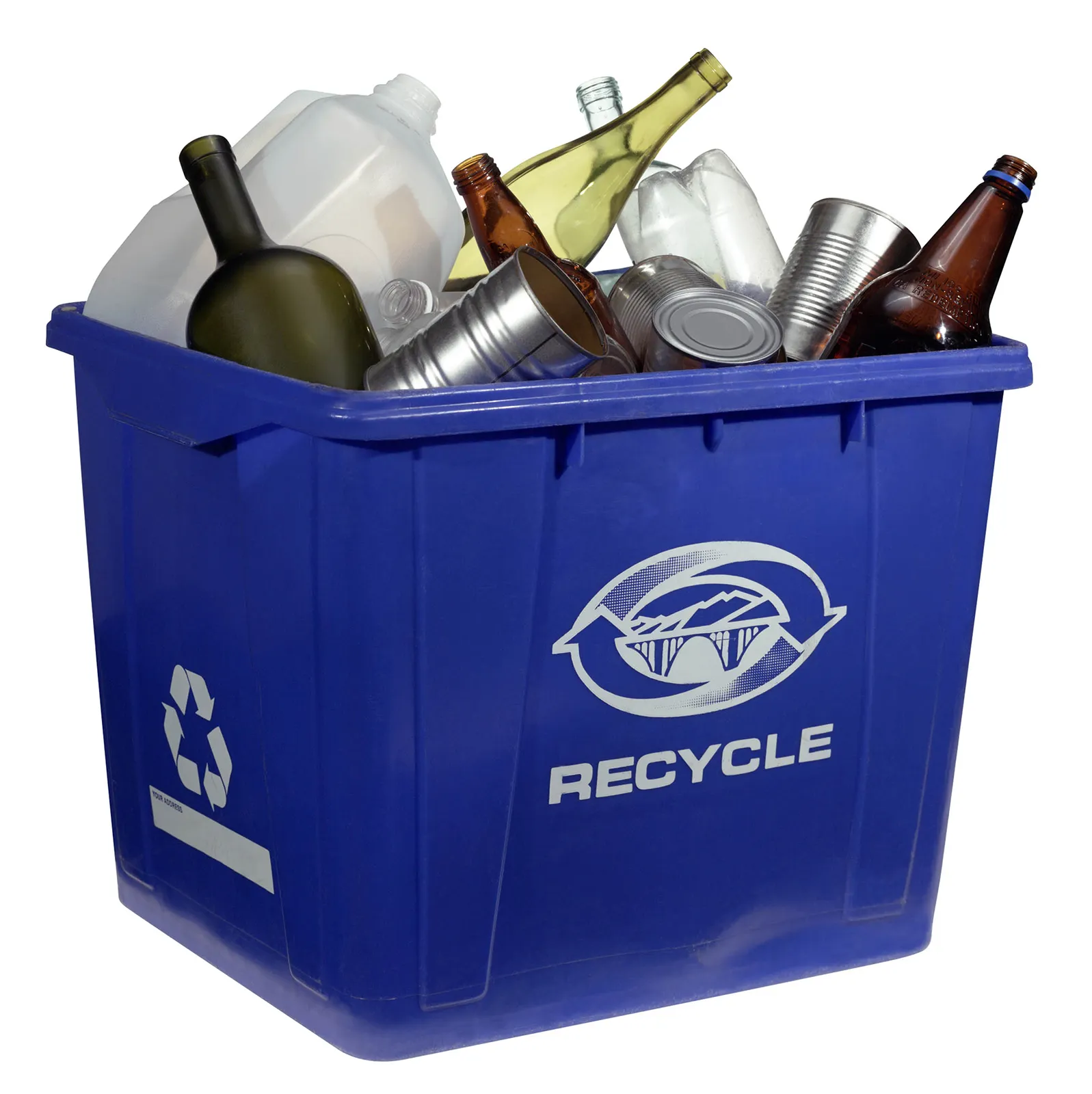 |
This comprehensive course provides essential knowledge on effective recycling practices to promote environmental sustainability. It covers the fundamentals of recycling regulations, emphasizing the importance of adhering to standards and guidelines set by regulatory agencies. The course delves into the critical role individuals and organizations play in reducing waste and conserving resources. Topics include: - Identifying recyclable materials - Proper sorting and handling techniques - Strategies for reducing contamination in recycling streams In addition, the course explores innovative recycling technologies and their applications. Learners will gain insight into: - Establishing and managing recycling programs - Promoting community awareness and participation - Understanding the lifecycle of recyclable materials By the end of this course, participants will have gained a thorough understanding of the principles and practices necessary to implement effective recycling strategies, contributing to a cleaner and more sustainable environment. |